
A carrier-based phone number is a number associated with a traditional telecom or mobile network rather than an internet-based VoIP service.
In this guide, carrier-based is an explanatory term for that idea. Lookup systems typically label line types such as mobile, landline, or VoIP—not a separate official type named “carrier-based.”
For how NonVoip defines Non-VoIP numbers for SMS verification, see What is a Non-VoIP number?.
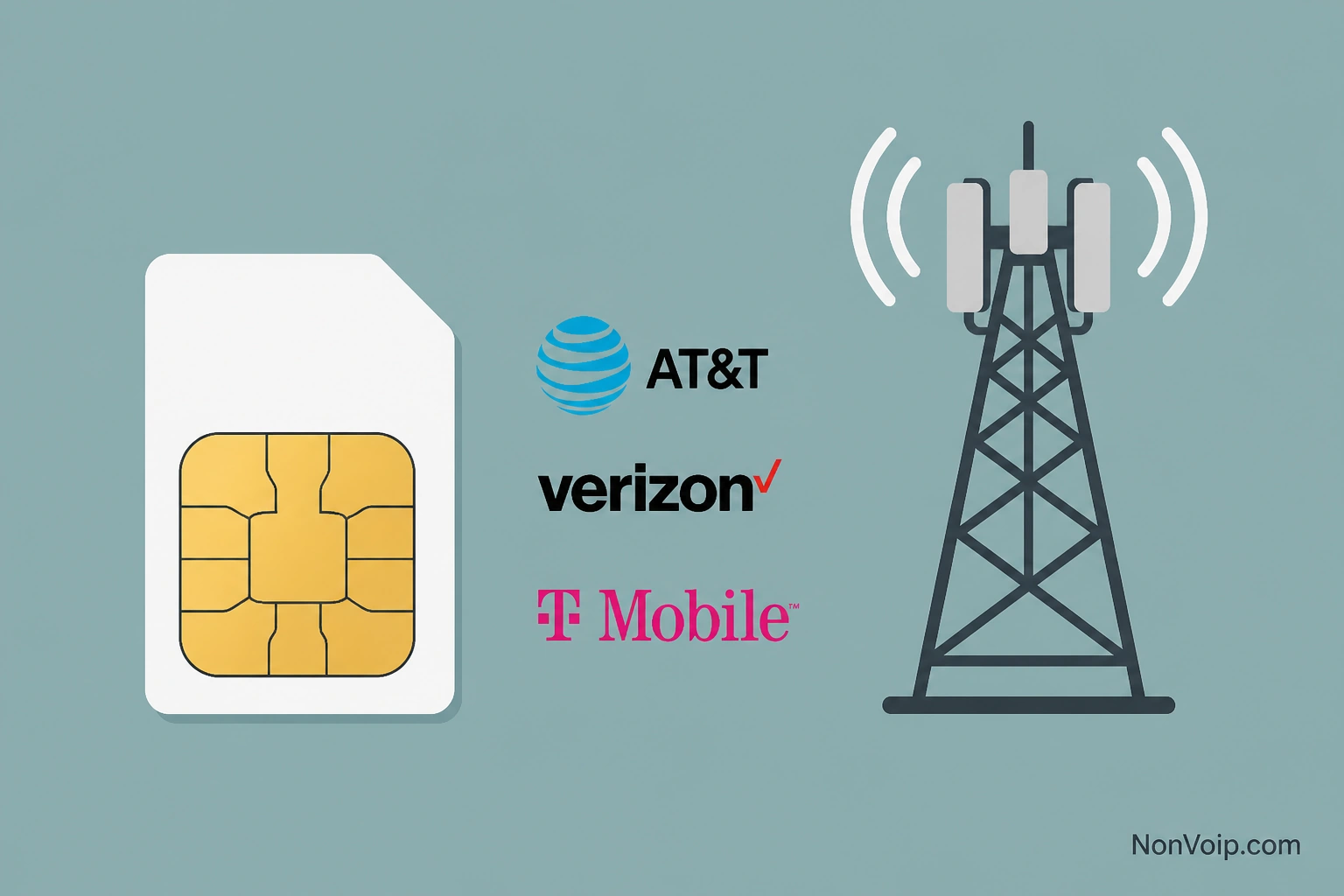
What does “carrier-based” mean?
When people say carrier-based in an SMS verification context, they usually mean:
- The number is tied to a traditional telecom or mobile network, not an internet-only VoIP service
- Routing resembles conventional mobile paths rather than app-based VoIP
- Some verification systems distinguish mobile or traditional telecom line types from VoIP line types
It does not mean every accepted number is a physical SIM in your pocket. It means the line is described as telecom/mobile-style rather than VoIP-style.
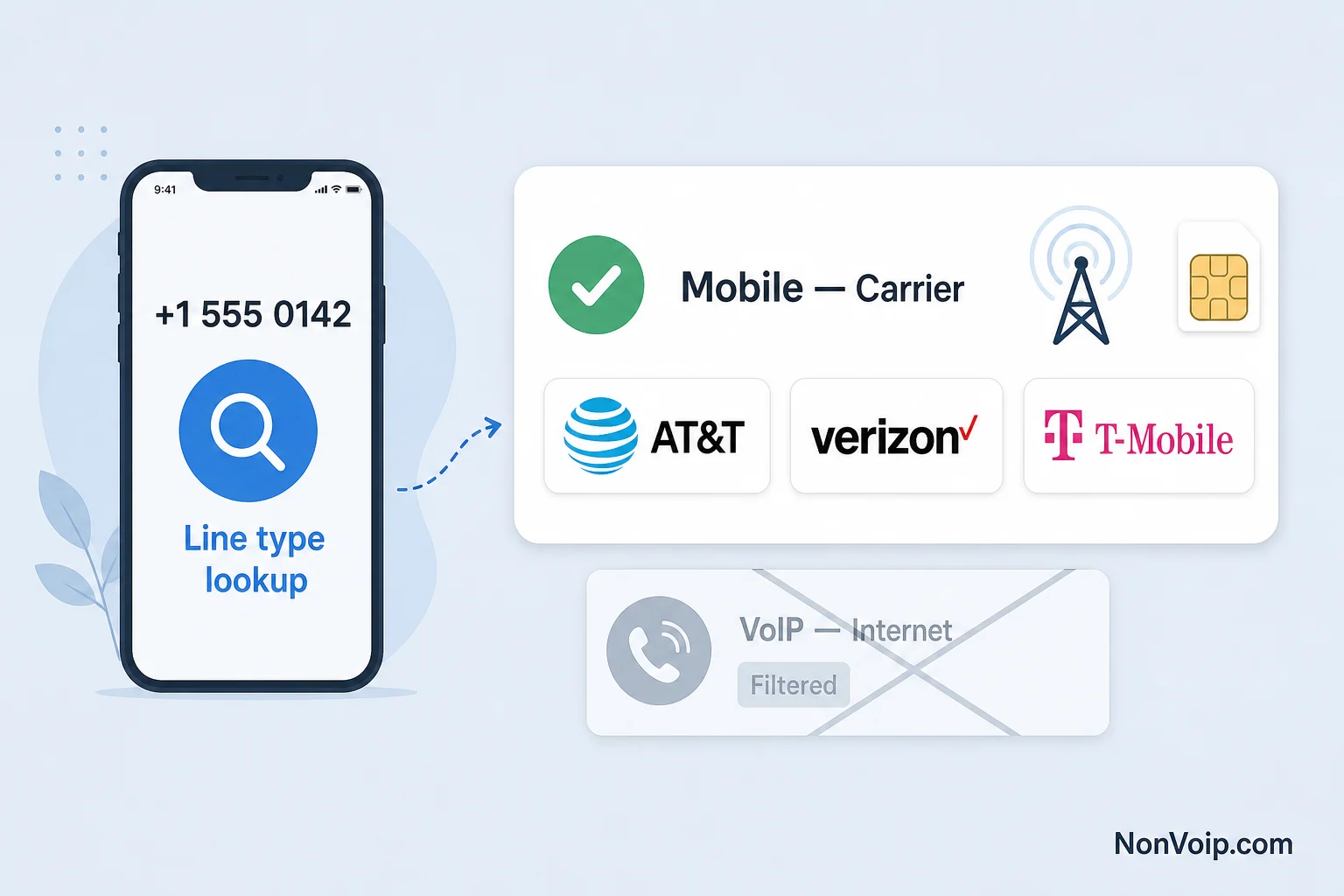
How Is a Carrier-Based Number Different from VoIP?
| Carrier-based (explanatory) | VoIP-style | |
|---|---|---|
| Typical lookup labels | Mobile / traditional telecom | Internet / virtual voice |
| SMS verification forms | May pass where VoIP is restricted | May be filtered or rejected |
| How the line is provisioned | Telecom or mobile network | Internet telephony |
Why some services restrict VoIP lines: Why do some services reject VoIP numbers?. Why Non-VoIP inventory is used for SMS checks: Why are Non-VoIP numbers used for SMS verification?.
How does this relate to Non-VoIP?
People use Non-VoIP and carrier-based in overlapping ways when talking about SMS verification. On this site:
- Carrier-based is a plain-language way to talk about telecom/mobile-style lines versus VoIP.
- Non-VoIP is NonVoip’s term for numbers used to receive verification SMS online.
Read the pillar for product meaning: What is a Non-VoIP number?.
Why do verification systems care?
SMS verification tries to confirm control of a reachable phone channel. Some services use phone-number line type as one signal in verification or risk checks. A service may restrict numbers it classifies as VoIP, but acceptance still depends on that service’s own rules, country, and risk score—not on a single global label.
Frequently Asked Questions
Is carrier-based the same as “real SIM”?
Not always in everyday speech. For OTP forms, the useful distinction is telecom/mobile-style classification versus VoIP-style classification.
Will every carrier-based number pass every site?
No. Destinations apply their own filters. If a form rejects a number, see Why is my phone number not accepted for verification?.
Next step: Continue with What is a Non-VoIP number?, or browse SMS verification.